The Hidden Hazard: Identifying the Signs of Meth Contamination in New Zealand Properties
Finding the right property—whether as a family home, a rental investment, or a commercial space—is a major milestone. But beneath fresh paint and new carpets, some properties hide a toxic, invisible threat. Homes, commercial buildings, and even vehicles previously used to manufacture or consume methamphetamine harbour dangerous chemical residues that can linger for years.
Because meth residue is usually invisible to the naked eye, many property owners are completely unaware of the contamination until independent testing reveals a severe problem. Exposure to these hidden toxins can lead to chronic health issues, and the financial burden of discovering a contaminated property post-settlement can be devastating.
As New Zealand’s trusted decontamination experts, EZiMETH Solution focuses exclusively on restoring properties to safe, legally compliant conditions under NZS 8510:2017 standards. If you are a homeowner, landlord, or prospective buyer, here are the critical warning signs that a property may be affected by meth—and what to do if you suspect it.
1. Persistent Chemical Odours and HVAC Spread
The manufacturing and smoking of meth use harsh chemicals that seep deeply into drywall, wood, and ventilation systems. Unlike normal household smells, these odours are highly persistent.
Distinct Smells: Be on the lookout for strong ammonia (similar to cat urine), sweet ether-like solvent smells (like nail polish remover or paint thinner), or sharp, acidic, rotten-egg odours.
Ventilation Dispersion: Heating, ventilation, and air conditioning (HVAC) systems can easily spread contamination throughout a property. Notice if chemical smells intensify when heat pumps operate, or if there is visible, unexplainable residue around air vents.
The Cleaning Test: If strong, unusual smells remain even after thorough cleaning, ventilation, or occupancy changes, it is a major red flag.
2. Visual Clues, Stickiness, and Rushed Cover-Ups
While property owners or tenants might try to hide the past, meth residue is highly corrosive. It often leaves distinct visual markers or obvious signs of a rushed cover-up.
Sticky or Oily Surfaces: Contaminated properties often develop unusual surface residues. Look for sticky walls, oily films on windows, and persistent grime on benchtops that standard household cleaners cannot remove.
Yellow or Brown Stains: Look for unusual rusty or yellowish-brown discolouration bleeding through paint, on baseboards, or inside sinks, toilets, and bathtubs where harsh chemicals may have been dumped.
Suspicious Renovations: Be highly suspicious of fresh, sloppy paint jobs, seemingly unnecessary renovations, or heavily textured paint used specifically to hide chemical stains on walls and ceilings.
Missing Light Bulbs: An oddly specific but common sign; standard glass light bulbs are frequently removed, broken, and used as makeshift pipes for smoking meth.
3. Physical Health Symptoms
Sometimes the first sign of a meth-contaminated home isn’t something you see, but something you feel. Symptoms can have many causes, but if multiple occupants experience similar issues with no other environmental cause, investigation is necessary.
Sensory Irritation: A strange, lingering metallic taste in the mouth, or unexplained burning and irritation in the eyes, nose, throat, or skin.
Respiratory Distress: Persistent coughing, headaches, dizziness, feeling lightheaded, nausea, or intense fatigue.
The “Escape” Relief: If you, your family, or your pets chronically feel unwell at home but suddenly feel better when spending time away, hidden contamination could be the culprit. Animals are often more susceptible due to their proximity to carpets and floors.
4. Behavioural Red Flags and Property History
A property’s history can tell you just as much as its walls. Landlords and buyers should dig into the property’s past and pay attention to tenant behaviour.
Tenant Turnover: Sudden tenant abandonment, frequent and abrupt tenant changes, or significant, unexplainable cleaning issues/damage after tenants vacate.
Antisocial Behaviour: Neighbours mentioning reports of violent or antisocial behaviour, frequent police involvement, or loud, erratic arguments.
Suspicious Traffic: Reports of frequent short-term visitors arriving at all hours, or highly reclusive tenants who black out their windows and refuse landlord inspections.
5. Structural Modifications and Paranoia Security
Drug operations require intense secrecy. The physical alterations made to a home’s exterior and security often reflect the paranoia of the occupants.
Excessive Security: Unnecessary CCTV cameras installed for a standard neighbourhood (or signs that cameras were recently removed), extra heavy-duty deadbolts on interior bedroom doors, or new locks that do not match provided keys.
Improvised Ventilation: Look for evidence of tampered wiring, unusual plumbing installations, holes cut into doors and walls, or heavy-duty extraction fans placed in strange locations (like bedrooms or closets) to vent toxic fumes.
Blocked Windows: Curtains that are permanently closed, or windows blacked out with paint or heavy aluminium foil.
6. Do Not Overlook Vehicles
Meth contamination is not limited to buildings. Rental fleets, second-hand cars, and commercial vehicles can become highly contaminated through meth use inside the cabin or the transportation of contaminated manufacturing materials. Watch for persistent chemical odours, sticky interior surfaces, or an unknown/questionable vehicle history.
What to Do If You Suspect Contamination
If you notice several of these signs, do not attempt to clean it yourself. Standard household cleaning products can react violently with meth residues, releasing more toxic gases. DIY cleaning will not bring a property back to safe legal standards.
1. Get an Independent Test
At EZiMETH Solution, we believe in a strict conflict-of-interest-free approach. We do not perform testing. If you suspect contamination, hire an independent, IANZ-accredited testing agency to conduct a baseline screening.
2. Understand the Legal Limits
Under New Zealand regulations, the maximum acceptable level for methamphetamine residue in residential properties is 15 µg/100cm². If your independent test results come back above this threshold, the property is legally contaminated and unsafe.
3. Call the Decontamination Specialists
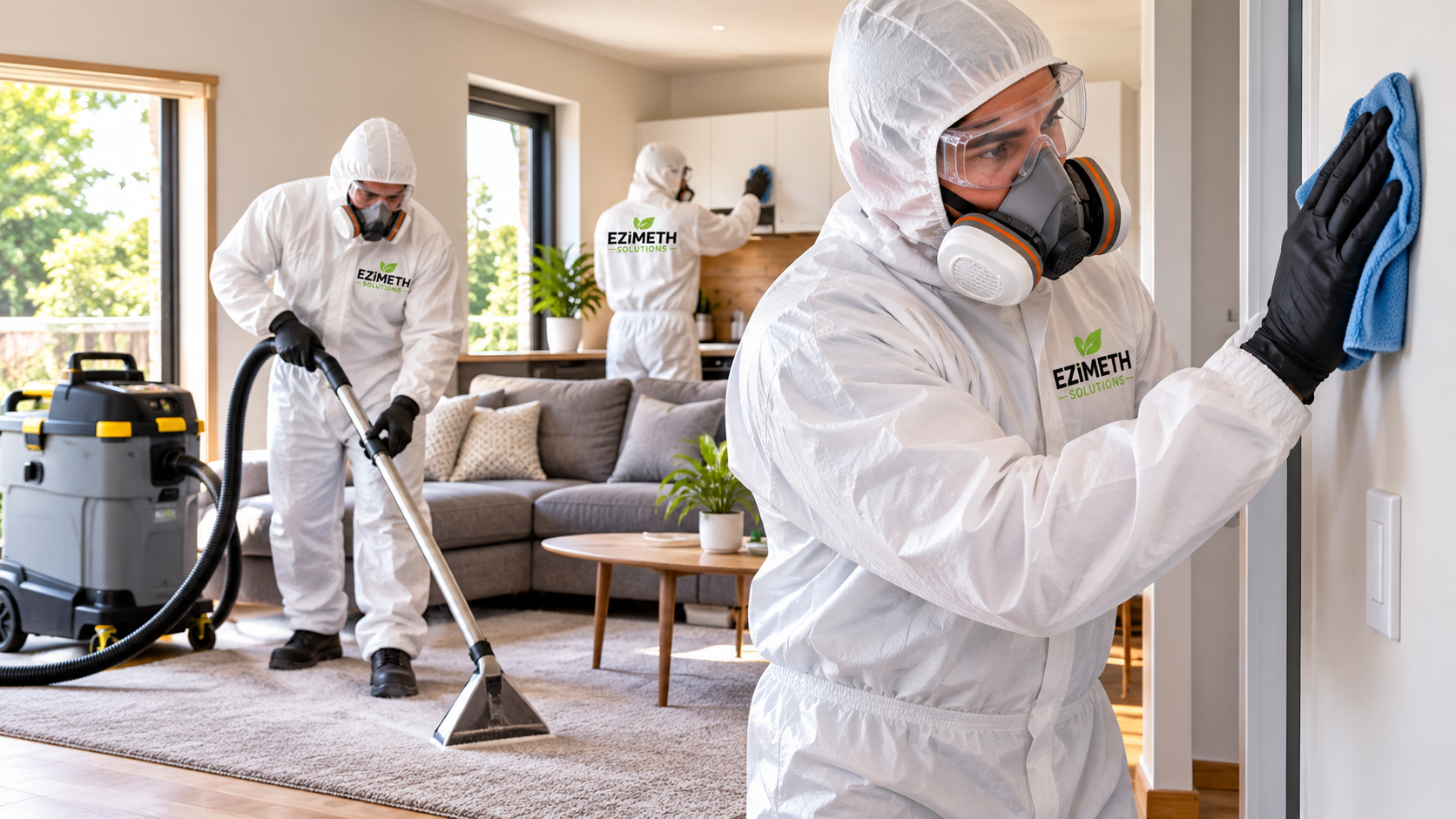
If your property tests positive, that is where EZiMETH Solution steps in. We provide fast, reliable, and 100% compliant meth decontamination across New Zealand. We use industry-approved techniques to safely strip harmful residues from walls, ceilings, HVAC systems, and surfaces. Upon completion, we issue a comprehensive Compliance Certificate aligned with NZS 8510:2017, giving you, your tenants, and your insurance company total peace of mind.
Never leave the safety of your property to chance. Look for the signs, test independently, and trust the experts to restore your space.
When to Call EZiMETH Solution
Decontaminating a house requires precise chemistry, heavy-duty equipment, and an unwavering commitment to safety. If you have received a positive meth test on your residential or commercial property, do not panic, and do not attempt to handle it alone.
By choosing EZiMETH Solution, you are partnering with certified professionals who prioritise your health, your budget, and a guaranteed clearance. Reach out to our team today for a confidential, no-obligation assessment of your decontamination needs.